A 20 yard dumpster typically allows 2 to 4 tons of debris before overage fees apply, and a 30 yard runs 3 to 5 tons depending on what you're loading. Concrete and shingles fill the weight limit fast; furniture and yard waste fill the volume first. Newport Beach jobs with heavy debris need the right size from the start.
A 30 yard box is built for bulky, lighter material more than dense debris. Most haulers set the included weight allowance for a 30 yard around 3 to 5 tons, and going over that line means a per-ton overage charge on top of your rental. If you're clearing a Newport Beach remodel with lumber, drywall, and cabinetry, a 30 yard dumpster rental usually gets there without tipping the scale. Concrete, brick, and dirt are a different story: those materials are dense enough that a much smaller box will hit the same weight limit. If you're not sure which way your project leans, the dumpster sizes and dimensions page breaks down what each size is actually meant to carry, and a quick call before delivery beats a surprise invoice after pickup. Pricing for the box itself sits inside the ranges on our dumpster rental cost page, but tonnage overages are billed separately and vary by what's actually in the container.
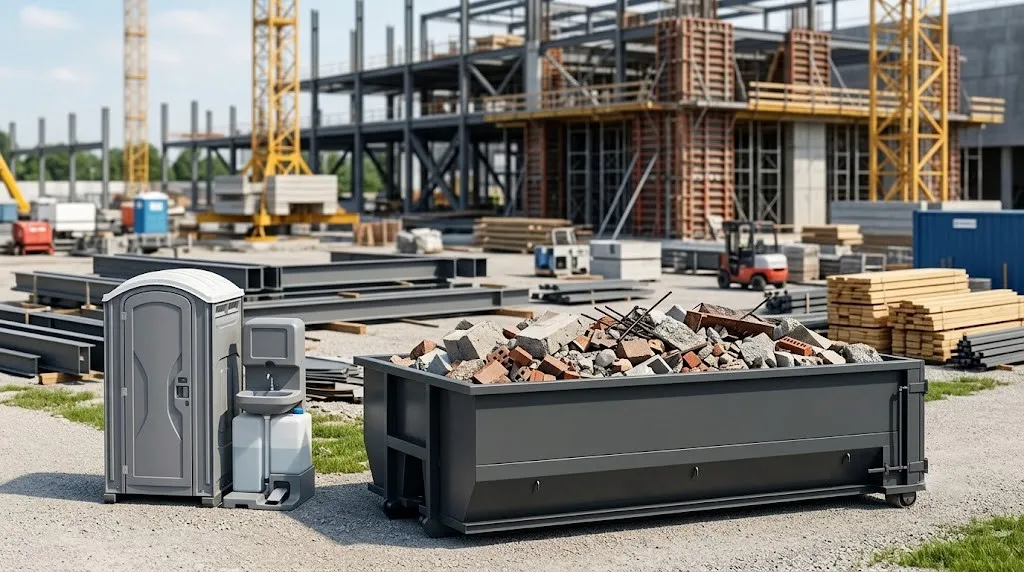
The 40 yard is the largest roll-off most residential and commercial jobs will ever need, and it's generally rated for around 4 to 6 tons of mixed debris. That's plenty for a full home cleanout or a large renovation tear-off, but it is not meant for concrete, dirt, or masonry. Load those materials into a 40 yard dumpster rental and you'll hit the weight cap long before the box looks full. Newport Beach crews working larger commercial teardowns should size by weight, not by the volume they expect to fill. For anything with roofing shingles, tile, or full pallets of block, a 10 yard dumpster rental or 20 yard dumpster rental loaded closer to capacity often makes more financial sense than one oversized box that gets charged overage fees. Our what cannot go in a dumpster guide covers material restrictions that affect both weight and acceptance at the landfill.
An empty 20 yard roll-off container itself weighs several thousand pounds before any debris goes in, and that tare weight is why delivery trucks need real clearance to maneuver it. A roll-off delivery needs about 60 feet of straight clearance behind the truck to set the box down safely, which matters on tighter Newport Beach lots near the peninsula or older neighborhoods with narrow driveways. The container's empty weight is subtracted at the scale, so you're only billed for what you load, not the box itself. Most residential cleanouts and mid-size remodels land within the 2 to 4 ton range this size is built for. If your driveway or street access is tight, check the dumpster permit requirements page before you book, since placement in the public right of way needs confirming with the city and we cannot state a specific ordinance here. A construction dumpster rental crew can also walk the site with you to confirm truck access ahead of delivery.
Weight, not volume, is usually what drives your final bill. A dumpster that looks half-empty can already be over its tonnage allowance if it's loaded with roofing tile, dirt, or wet concrete, and every hauler charges an overage rate once you cross that line. This is the single most common billing surprise on Newport Beach job sites, especially when a crew estimates by eye instead of by material type. Mixed household debris rarely causes problems since it's light relative to volume, but demolition debris, plaster, and masonry are dense enough to max out a container's weight rating well before it's visually full. If you're planning a bigger tear-off, it's worth comparing notes with crews outside the immediate market too; a roll off dumpster rental job in Dayton, Ohio or a roll off dumpster rental job in San Antonio runs into the same tonnage math, because the weight limits come from the container and the landfill scale, not the zip code. Ask your hauler for the per-ton overage rate before delivery so there's no guessing at pickup.
| unit | duration | low | typical | high |
|---|---|---|---|---|
| dumpster | day | $51 | $75 | $112 |
| dumpster | weekend | $390 | $440 | $497 |
| dumpster | week | $426 | $600 | $778 |
| dumpster | month | $91 | $108 | $500 |
Match the container to the material, not just the job size. Dense debris like concrete or shingles calls for a smaller box loaded near its weight limit, while bulky light debris fits better in a larger one. The dumpster sizes and dimensions page lays out both dimensions and typical uses.
You'll be billed a per-ton overage fee on top of the rental price once the load is weighed at the facility. This is separate from the base rate on the dumpster rental cost page and varies by what's inside the container.
Usually not in the same container. Concrete and mixed debris are billed and disposed of differently, and combining them can push a box over its weight limit fast. Check what cannot go in a dumpster before loading.
Yes, indirectly. Heavier expected loads sometimes mean a different container size or placement plan, and access for the delivery truck still needs about 60 feet of straight clearance behind it regardless of tonnage.
Placement in the public right of way needs confirming with the city of Newport Beach directly. See the dumpster permit requirements page before scheduling delivery.
Yes. Newport Beach Porta Pros delivers dumpster weight limits across Newport Beach and the surrounding metro, with same-day and next-day drop-off available on most orders.
Pricing depends on the unit and how long you need it. See our cost breakdown and request a free quote for an exact figure.
Standard rentals include scheduled service — a pump-out, a clean, a restock and fresh deodorizer. Busy or hot-weather sites can be serviced more often.
Call now or request a free quote — clean units, on-time delivery, transparent pricing.